
How Arrest Warrants Work in Crisp County
Under O.C.G.A. §17-4-40, a judge or magistrate issues an arrest warrant from personal knowledge or sworn information showing probable cause. Georgia's court materials lay this out plainly. The signed order authorizes an arrest. It settles probable cause, nothing more. It does not decide the charge itself. The Crisp County Sheriff posts no name-searchable warrant form online. Georgia's fallback is county based, so you contact the sheriff where the warrant likely issued. In Crisp County that means calling 229-276-2600. Ask which unit handles a person checking their own status, and whether a phone call, a lawyer, or some other route should come before any visit.
Crisp County Arrest Warrant Probable Cause
Which court issues the warrant shapes who to call. Superior Court handles felonies, while Georgia's court guide names State and Magistrate Courts as warrant-issuing courts. Crisp Magistrate Court sits at 510 7th Street North, Suite 105, Cordele, reachable at 229-271-4728. The Clerk of Superior and Juvenile Courts answers at 229-271-4726. Crisp County lists no current public State Court contact page, so confirm that clerk route before relying on it. A clerk may hold a case entry or a filed warrant. The Sheriff may hold service and booking records. GCIC supports authorized criminal-justice information exchange but is no public warrant portal, so name the exact record you want rather than asking for a vague database report.
Crisp County Arrest Warrants: What They Contain
Crisp County publishes no official public warrant list, so its exact fields are not on display. A warrant or related court record you obtain may still carry typical fields, subject to sealing, redaction, and current status.
| Jurisdiction | Issuing county and court, which directs the next call |
|---|---|
| Warrant Type | Arrest, bench, search, or another order |
| Case Reference | Case, complaint, citation, or warrant number if public |
| Judicial Action | Issue date and judge or magistrate when available |
| Status | Active, served, recalled, quashed, cancelled, or closed |
| Bond or Appearance | Court-controlled terms, never a guessed amount |
Expect some fields to be withheld. Protected identifiers, home addresses, medical information, confidential sources, and active investigative details may lawfully be redacted. A missing field does not always mean a missing fact. Status words also need a date and a source. "Active" means the matter has not been recorded as served, recalled, or closed in whatever source was consulted. A return may show what happened after execution. A "recalled," "quashed," or "cancelled" entry points to court action, but a caller should still ask whether that action reached the Sheriff. Two more cautions for Crisp County records: a municipal citation number is not a warrant number, and a docket entry is not automatically a live service-status report.
Crisp County Arrest Warrant Partners
Serving Crisp County warrants is often a team effort. A July 2024 Crisp Sheriff release describes Special Response Team and Multi-Agency Street Crimes/Narcotics Task Force resources executing search and arrest warrants together. Later releases credit help from Cordele Police, Georgia State Patrol, and a neighboring sheriff. Those accounts show operations, not a searchable roster. The Cordele Code Compliance page says its officers serve city warrants and deliver Municipal Court summonses, which separates city warrant service from county arrest-warrant confirmation and civil summons delivery. Do not infer current status from an old news item, either. A release documents one event on one date, and arrest, recall, court action, and custody can all change afterward. An Open Records request can seek an existing served warrant, a return, or a specified case document. The agency need not build a new report by combining systems, and active investigative material, protected personal data, and facts exposing confidential sources or techniques may be withheld. For urgent personal status, ask the Sheriff first what direct inquiry method the office prefers.
How Warrants Get Served in Crisp County
An arrest warrant is executed when officers take the named person into custody. That can happen during a planned operation, a chance encounter, or coordinated agency action. The Crisp Sheriff's Courts and Civil page separately covers court security, prisoner transport, and civil process. Serving a civil paper is not executing a criminal warrant. After an arrest, the Sheriff's jail page describes identification, warrant checks, medical screening, and clerical processing. A judicial official sets bail. Booking commonly runs two to eight hours, though charges, workload, and cooperation all affect the timing. That range is a typical span, not a release promise, and serving the warrant or posting bond does not by itself close the case.
Crisp County Arrest Warrant Booking
No official Crisp County material posts a general bond table or a universal warrant amount. So ask directly. Is the warrant confirmed? Which court set bond? Is a first appearance required? Which forms of bond or payment are accepted? Court costs, citations, bond, probation charges, and record-copy costs are separate obligations, not one bill. For contact details, the 2026 Sheriff directory lists the jail at 229-276-2646, and current material lists the Sheriff office at 196 GA Highway 300 South. An older federal contract gave the detention center as 197 Highway 300 South, so call before visiting. Georgia also warns that showing up in person for a warrant inquiry can lead to immediate custody.
Caution: Never pay an unknown caller for warrant status; verify court and bond instructions through published official numbers.
Arrest Warrants, Summonses, and Bench Warrants
These documents come from the same justice system but order different things. Read the caption and the issuing court in Crisp County paperwork rather than trusting a casual label.
| Document | Basis | Response |
|---|---|---|
| Arrest warrant | Probable cause accepted by a judge | Confirm, consult counsel, arrange lawful handling |
| Summons | Direction to appear without immediate arrest | Respond by the stated deadline |
| Bench warrant | Missed duty in an existing case | Ask the issuing court about recall |
| Search warrant | Authority to search a place or item | Access depends on execution and filing |
The Crisp County bench warrant lookup page explains local recall routes.
Crisp County and Federal Warrant Boundaries
Crisp County sits inside the Middle District of Georgia. A federal warrant can stay sealed, so county warrant records are no substitute for a federal check. The U.S. Marshals Middle District page lays out the fugitive task force that works these cases.
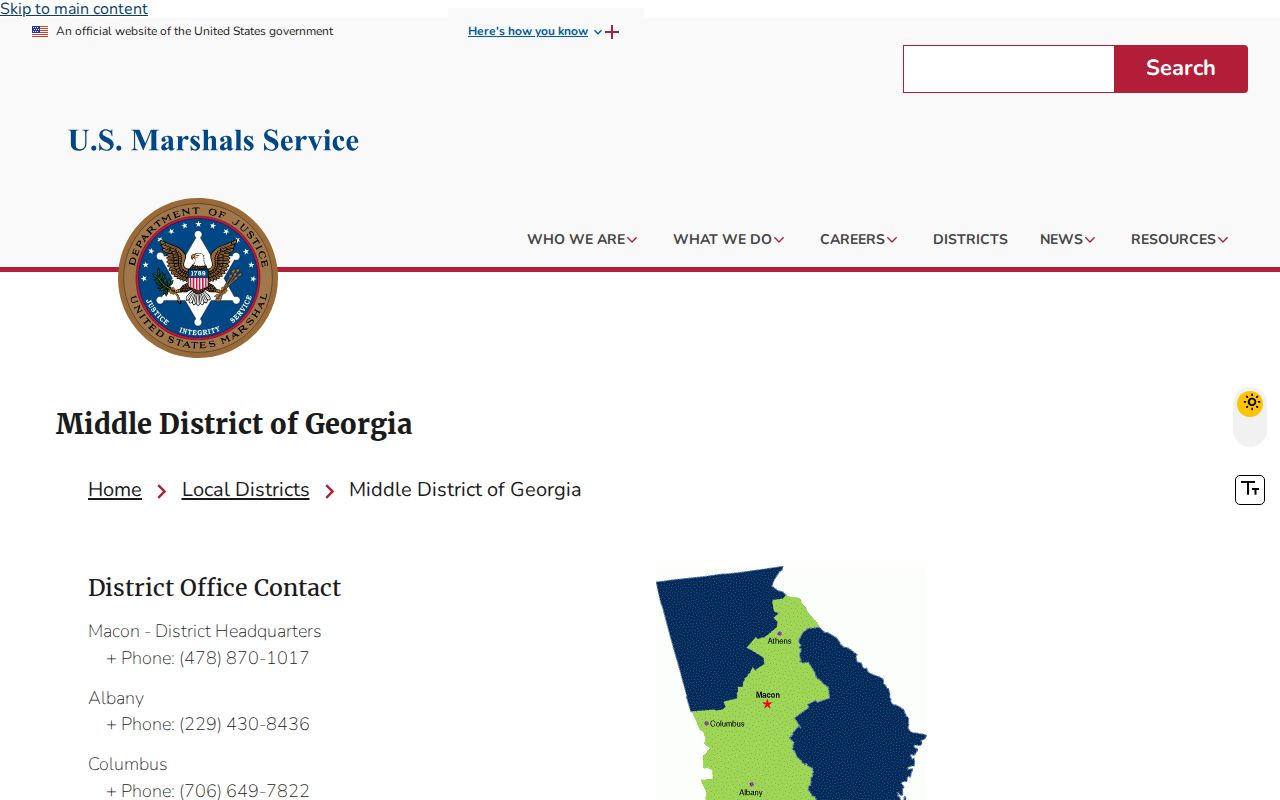
That official page gives the federal picture only. It does not offer a Crisp County name search. The district lists a Macon contact at 478-870-1017, and anyone with a federal concern should ask counsel or the right USMS office which contact method is safe. Also note that Crisp County's jail may hold federal prisoners under housing agreements, but that makes it no federal warrant lookup.
Handling Your Crisp County Arrest Warrant
Write down who reported the warrant and which court supposedly issued it. Then call the Crisp County Sheriff through its published number, or have a Georgia criminal-defense lawyer make the inquiry. Ask whether the warrant is still active. Get the case reference, the controlling court, and the surrender or bond process the office recognizes.
- Confirm identity and jurisdiction without broadcasting sensitive identifiers.
- Discuss voluntary surrender, bond, and any motion to recall or quash with counsel.
- Follow only verified instructions from the issuing court and serving agency.
- Keep the court order, receipt, booking or bond record, case number, and follow-up date.
Important: An attorney can confirm the warrant and coordinate surrender, bond, or court relief before you approach an official office.
Crisp County Federal Arrest Warrant Limits
PACER opens federal dockets once a case and its papers are public. It is not a full warrant index. Finding nothing there does not rule out a sealed or unfiled arrest warrant tied to Crisp County. Fees ran about ten cents per page, with a three-dollar cap per document and a quarterly waiver at thirty dollars or less under current rules. The official PACER pricing page spells out the access terms.
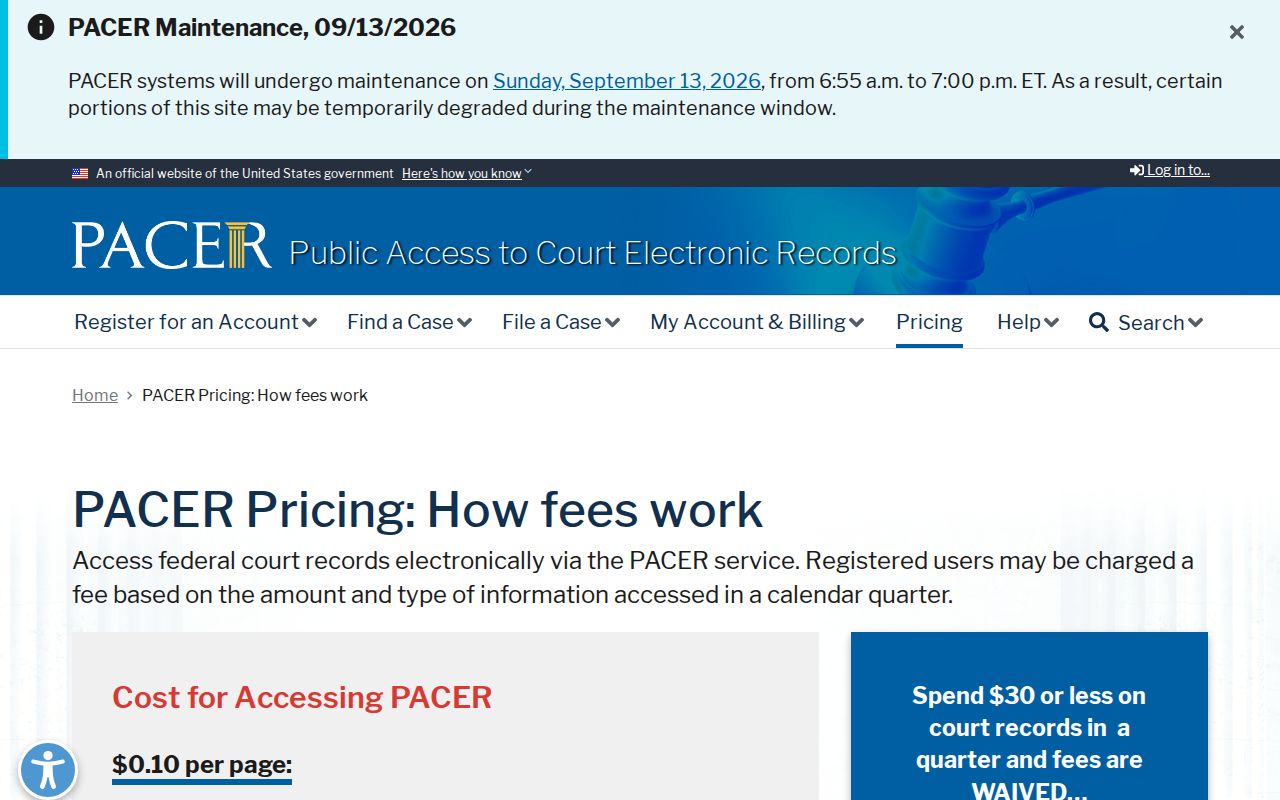
A PACER docket search and a local status check answer different questions, so treat them that way. PACER may surface a public case entry after filing or unsealing. The Crisp County Sheriff can speak only to the local route that office is authorized to confirm. Neither source covers every agency database. If a federal officer, federal court paper, or an out-of-state case started the worry, keep the document and let a lawyer pin down the right jurisdiction before you reach out.
The same care matters after court action. A recall order, quash order, surrender record, bond receipt, or closing paper should name the case and the issuing authority. Ask when that record reaches the serving agency. Ask when a fresh warrant check makes sense. Log the date, office, staff role, case reference, and any written proof. That trail helps if court and law-enforcement records for Crisp County lag behind each other.